


Storytelling for Brands: Turning a Customer Win Into a Short Film With AI Content Creation
Customer success stories are goldmines of authentic content, yet most brands limit them to static testimonial quotes. Video storytelling drives 1200% more shares than text and images combined, yet many small businesses assume short films require substantial budgets and weeks of planning. The truth: turning a customer win into a compelling short film is faster and more affordable than ever, especially with AI-powered content creation tools. This guide walks you through identifying narrative-worthy wins, scripting, filming, and distributing your story across social channels, so your proof of concept becomes something prospects can visualize themselves in.
Why Customer Wins Deserve More Than a Quote
The difference between a testimonial and a story
A testimonial is a snapshot: “This product saved us time.” A story is a journey showing why your customer was struggling, how your solution changed their approach, and what transformed as a result. Stories transfer trust to the customer themselves; viewers see a real person navigating a real problem and emerging on the other side.
Audiences retain narratives 22 times better than facts alone. When a customer explains how they reclaimed 10 hours a week previously lost to manual processes, that metric becomes visceral. Short-form video with storytelling structure outperforms product demos on social media because it engages emotion before logic. By the time your solution appears on screen, viewers are already invested in the outcome. This emotional foundation converts at rates consistent with content that stops the scroll and holds attention.
The Proven Narrative Formats That Work for Customer Stories
Problem-solution-result (the most effective structure)
This three-act structure maps directly onto how prospects evaluate your brand. A viewer encounters the problem (their problem, reflected in your customer’s struggle), recognizes the solution (your product as the turning point), and witnesses the result (proof it works). The format follows the customer journey itself.

Photo by Quixess Social
A structured script runs 90-120 seconds in five scenes: opening hook (pain point), customer context (who they are and why they were stuck), product introduction (how they discovered your solution), application montage (using it in their workflow), and payoff (the measurable win). Each scene includes visual cues, pacing guidance, and animated text to signal progression.
Before-and-after visual arcs
Before-and-after formats communicate transformation instantly without voiceover explanation. A split-screen showing the old workflow on the left and new workflow on the right tells the story in seconds, especially effective on platforms where sound-off viewing dominates.
The power lies in visual metaphor. If your customer manually sorted spreadsheets and now uses your automation tool, film them at a desk surrounded by papers, then cut to them reviewing the same data on their laptop in a relaxed posture. Animated text overlays (“Before: 8 hours per week” “After: 2 hours per week”) anchor emotion to concrete numbers.
The unexpected plot twist format
This format holds attention by delaying the reveal. Perhaps the customer had tried two competitors before finding your product, or discovered an unexpected secondary benefit that became primary. A 60-second video with a 45-second setup and 15-second reveal keeps viewers watching to the end. When paired with branded captions that sound authentic, twist narratives become more effective at driving click-throughs and saves.
Building Your Customer Win Film: From Interview to Final Cut
Extracting the Narrative Kernel From a Customer Conversation
The difference between a testimonial and compelling film lies in identifying the emotional turning point, the exact moment your customer realized something had shifted. Ask questions that surface the “before” state with texture: What kept you up at night? What did failure look like? Then move to the solution and transition, finally focusing on the measurable or emotional “after.” That contrast, frustration to breakthrough, is your film’s core.
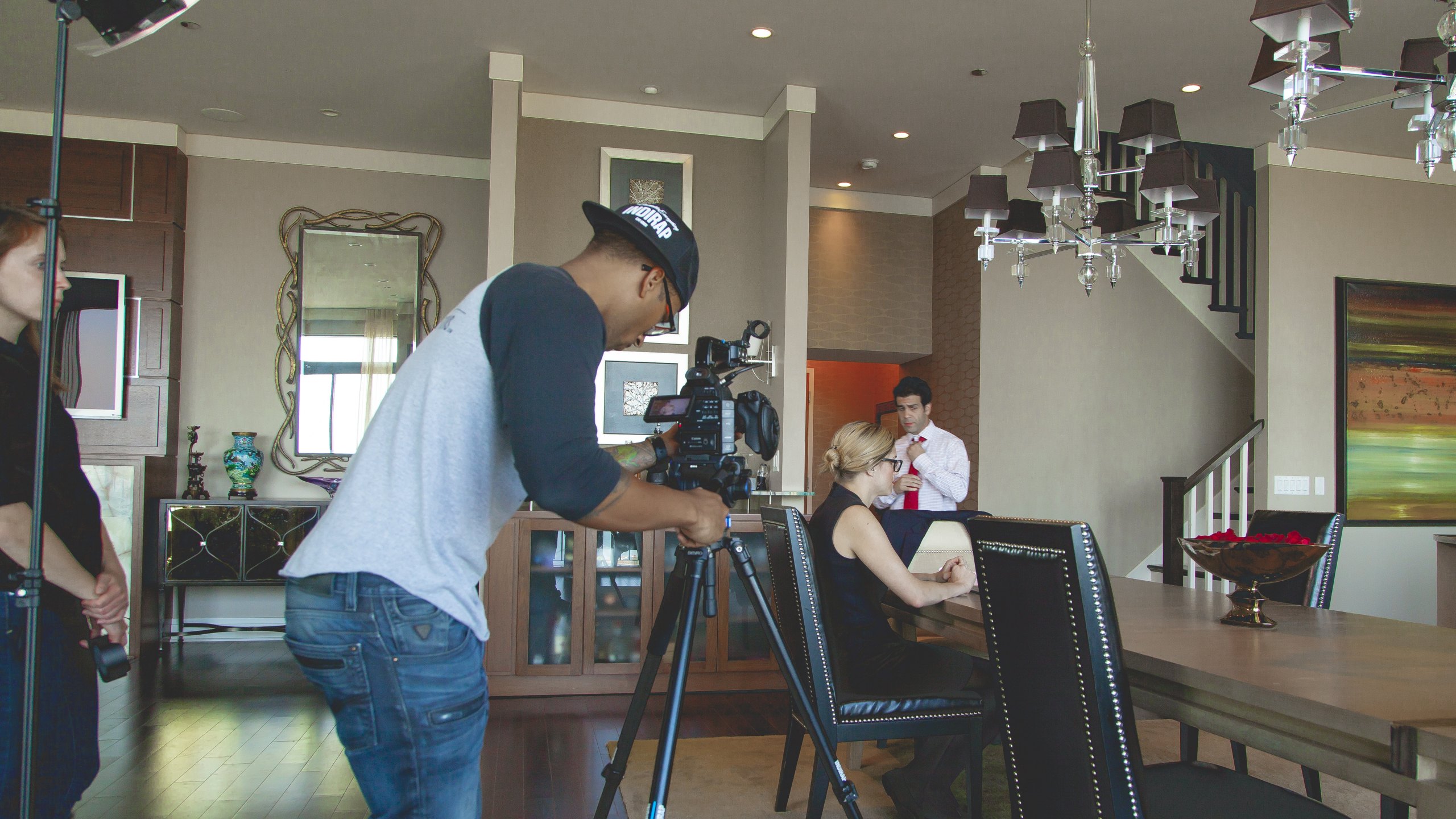
Writing Scenes With Visual Direction and Voiceover
Structure the narrative as a scene-by-scene breakdown pairing specific quotes or story beats with visual direction. Write voiceover as if the customer narrates their journey. Keep sentences short and punchy, 30 words or fewer per line. Opening lines matter especially in short films, so lead with statements that hook attention, not explanation.
Assembling and Refining With AI-Generated Elements
Tools like Quixess Social accelerate assembly by generating video clips for each scene and stitching them into a cohesive narrative. The platform handles labor-intensive parts: syncing voiceover to B-roll, adding readable captions, inserting branded graphics, and layering background music. What once required hours of manual editing now happens in minutes.
Ask: Does pacing hold attention? Are captions readable? Does music enhance rather than distract? Make minor adjustments, but resist over-editing. Customer stories work because they feel real. A polished but raw customer story outperforms a slick corporate video.
Distribution Strategy: Where Customer Stories Perform Best
Vertical Video Format for Reels, Shorts, and TikTok
Customer story films thrive on platforms built for vertical video. A two-to-three minute customer film performs exceptionally well when formatted vertically. Platform-specific audience expectations shape how stories land, and vertical viewers are primed to watch full narratives if the opening hooks them within three seconds.

Photo by Quixess Social
Adapt slightly for each platform. TikTok audiences appreciate faster cuts and energetic pacing. Reels audiences engage longer with slower, more cinematic builds. Add platform-native captions; Reels and Shorts favor stylized text overlays, while TikTok tolerates minimal design.
Repurposing the Same Story Across Platforms
One customer film becomes your content goldmine. Extract key quotes as carousel slides highlighting transformation moments, create static quote graphics for Stories, and expand the narrative into a written case study paired with the video on your blog. LinkedIn audiences consume the horizontal-format version alongside a brief written summary.
One customer win generates five to seven distinct assets: the short film, horizontal recut, carousel posts, quote graphics, blog case study, and single-image testimonial. Each format serves different platform algorithms, multiplying reach without additional production work.
Timing and Sequencing on Your Social Calendar
Schedule customer films during peak engagement windows when your audience is most active. Pair publication with a blog post expansion to drive both social engagement and organic search traffic. Strategic calendar planning ensures consistent presence while customer stories punctuate regular content.