

Voiceover or On-Screen Text? What Works Better for Short-Form Video in Your Social Media Management Strategy
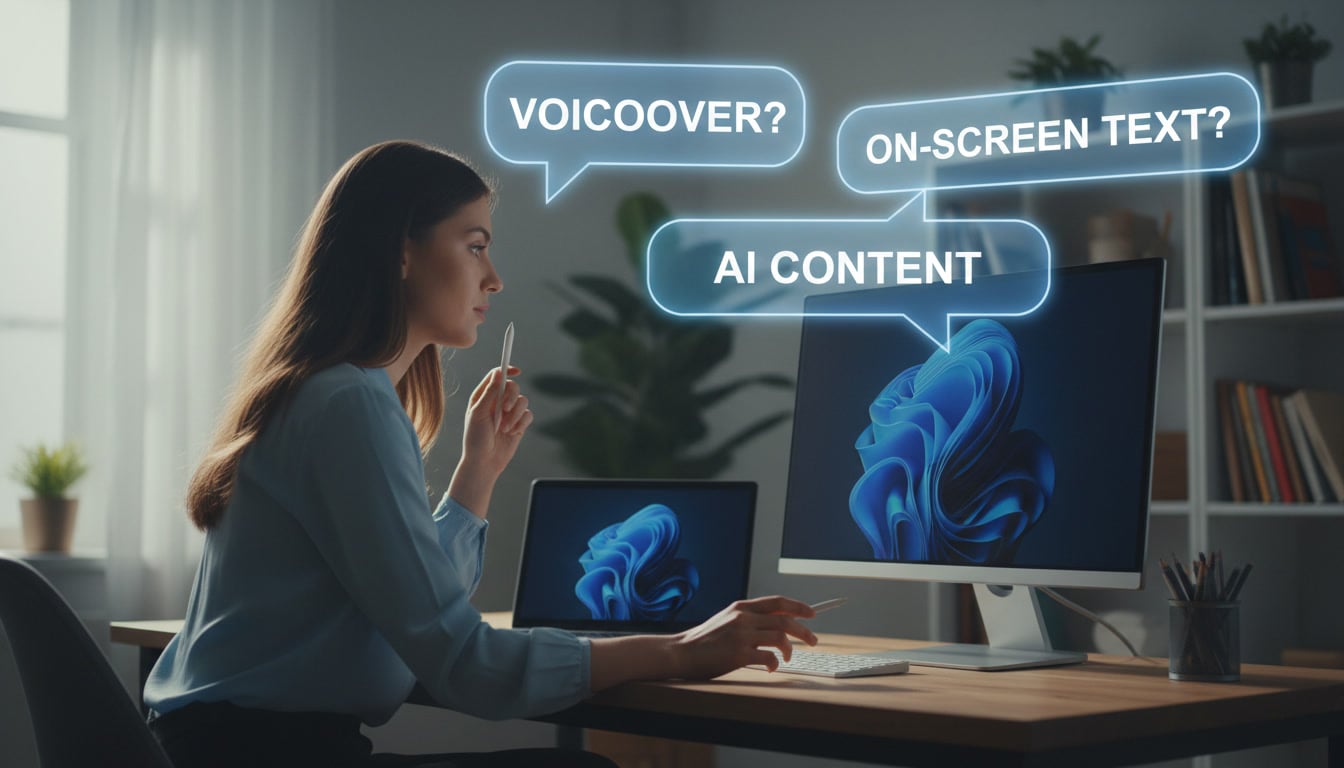
Many businesses struggle with a basic choice: should they use AI voiceover, on-screen text, or both? This decision directly affects watch time, engagement, and how your content performs across platforms where viewers may have sound off. Understanding when each approach works best helps you create content that converts. In this guide, we’ll break down the strategic advantages of voiceover versus text, show you when each wins, and reveal the hybrid approach that top-performing brands are using in 2026.
Why the Voiceover vs. Text Choice Matters for Social Media Management
How platform behavior shapes viewer expectations
Your format choice isn’t just aesthetic, it’s algorithmic. Platforms like Instagram, TikTok, and YouTube Shorts measure watch time completion as a core ranking signal. A mismatched format can tank performance even if your creative concept is strong. When you understand these platform expectations, you align your content strategy with platform behavior rather than fighting against it.
The sound-off problem across Instagram, TikTok, and YouTube Shorts
Research shows that 85% of social video is consumed with sound off by default, particularly on mobile and during work hours. On-screen text bypasses this entirely, it reaches every viewer regardless of their audio settings. However, viewers who do unmute typically show higher engagement and watch-time completion, signaling to algorithms that your content is worth promoting. The key is matching your format to your message and knowing which viewers you’re actually trying to reach.
When AI Voiceover Wins: Building Narrative and Trust
Voiceover for storytelling and brand personality
Voiceover works when your message requires context, emotion, or a narrative arc. Customer success stories, educational explainers, and product walkthroughs all benefit from a consistent narrated voice guiding the viewer through the content. When you use AI voiceover consistently across your channel, viewers begin to associate that voice with your brand. A recognizable vocal signature builds brand recall and makes your content feel more polished than text alone. This is especially powerful for small and mid-sized businesses competing against larger brands.

Photo by Quixess Social
Industries where spoken word performs best
Real estate walkthroughs are prime voiceover territory. A realtor can narrate property features and lifestyle benefits while showing footage, all in sync. Product demonstrations, financial explainers, health advice, and coaching content also perform well with narration because they require step-by-step guidance and emotional connection. A viewer who unmutes for your educational content is already more engaged and willing to spend time with your message, exactly the audience type that converts.
When On-Screen Text Works Better: Speed, Accessibility, and Scanning
Text for Quick Hits and Snappy Messaging
On-screen text dominates when your message is simple, punchy, or needs to land in under three seconds. Trend-driven content, memes, quick tips, and motivational posts perform exceptionally well as text-first because viewers grasp them immediately without needing to listen. A fitness brand posting “3 exercises = 10 minutes = results” stops the scroll faster than a voiceover explanation ever could. Text-based videos work because they match how audiences consume short-form content: quickly, often while multitasking, and with minimal cognitive load.

Accessibility and Audience Inclusivity
Text appeals to viewers in silent environments, offices, commutes, shared spaces, where unmuting isn’t an option. Captions make content accessible to deaf and hard-of-hearing audiences while directly expanding your potential reach. Text-heavy posts are easier to scan and share, which boosts organic reach on platforms that reward shareability.
The Hybrid Approach: Combining Voiceover and Text in Your Content Creation Strategy
Why the Best Short-Form Videos Use Both
The strongest short-form videos use voiceover as the primary narrative layer and on-screen text as backup and emphasis. This combination maximizes engagement across all listening situations, viewers with sound on get the full story, while those on mute still understand the core message. Open with bold text to grab attention and stop the scroll, then let voiceover carry the story or deeper explanation.

Photo by Quixess Social
How to Layer Them Without Overwhelming Viewers
Conclusion
The voiceover-versus-text debate has no single answer, it depends on your message, industry, and where your audience is watching. Use voiceover for stories and demonstrations that need context; use text for fast, snappy messaging that works on mute. The real edge comes from testing both and letting your analytics guide you. Audit your top-performing videos: which ones relied more on voice, which on text, and what does your data reveal about what your audience engages with? That insight becomes your competitive advantage.