

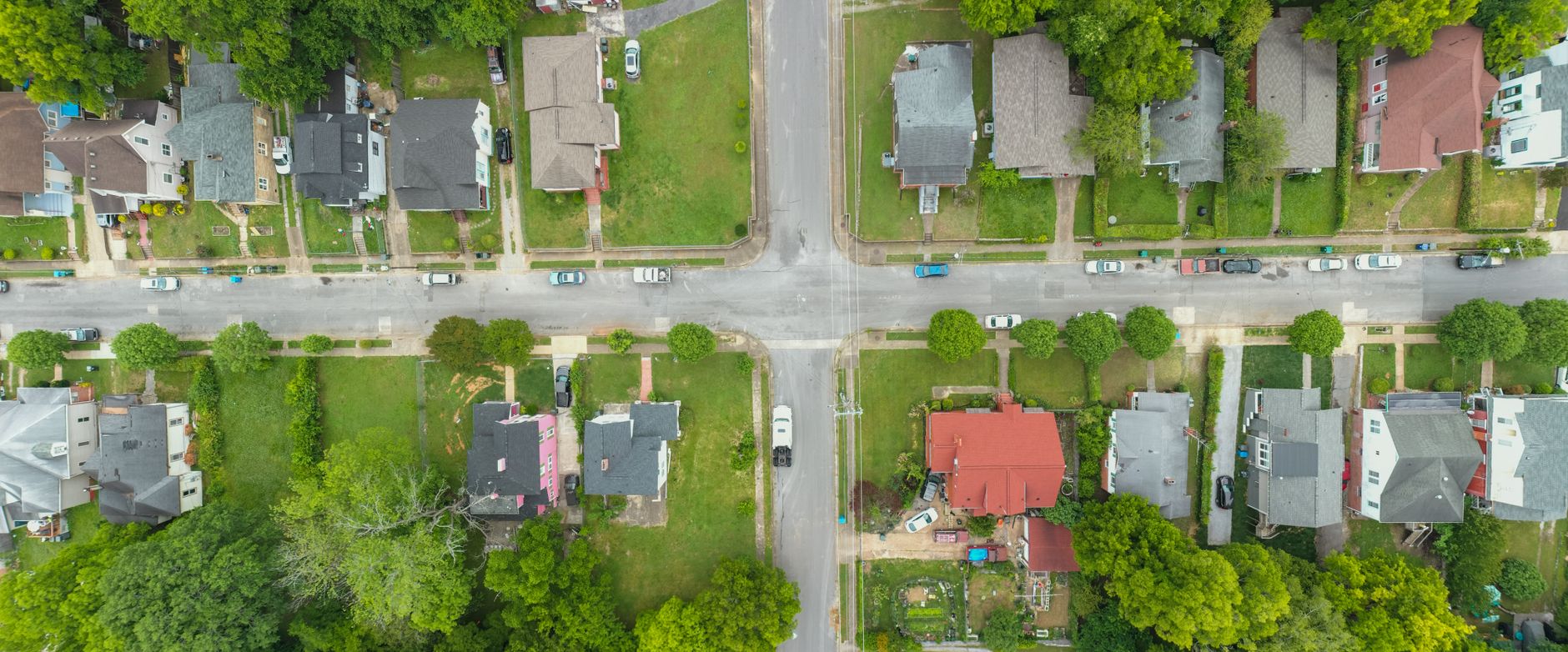
Most home buyers do not start their search by calling an agent. They start by talking. They ask neighbors which school zone is better, complain that their lease is ending, or wonder out loud whether now is a good time to buy. On Nextdoor and in local Facebook groups, those conversations happen every day, and most agents never see them.
The agents who do see them, and respond well, get something no ad can buy: a first conversation with a buyer before the competition knows the buyer exists.
What buying intent actually looks like
People rarely post “I want to buy a house.” The signals are quieter than that. Watch for posts like these:
- Life changes: “We have a baby on the way and our two-bedroom is getting tight.”
- Lease pressure: “Our rent went up again. Is anyone else thinking about buying?”
- Relocation: “Moving to the area in the spring. Which neighborhoods are good for commuting downtown?”
- Research questions: “Has anyone used a first-time buyer program in this county?”
- Frustration with a past experience: “Our last agent never called us back. Any recommendations?”
Each of these is a person at a different stage. The relocating family needs neighborhood knowledge. The renter needs a gentle explanation of what buying would cost. The frustrated seller needs reassurance that someone will actually pick up the phone.
Why most agents get this wrong
The fastest way to lose a neighborhood thread is to drop a business card into it. “DM me, I can help!” with a headshot and a phone number reads as a sales pitch, and neighbors notice. Some groups will remove the comment. Others will simply ignore it.
The agents who win in local groups answer the question that was asked. If someone asks about school zones, they explain the boundary lines. If someone asks whether prices are dropping, they share what they are seeing in that specific zip code. The business conversation comes later, and it comes because the person asked for it.
A simple framework for replying
- Answer first. Give a genuinely useful response to the exact question, with local detail only someone who works the area would know.
- Show you are a neighbor, not a billboard. Mention the coffee shop on the corner or the new park, not your sales volume.
- Offer, do not push. A line like “Happy to send over recent sales on that street if it helps” leaves the door open without forcing it.
- Follow up privately only when invited. If they reply or message you, now the conversation is yours.
The problem is volume, not skill
Most agents can write a great reply. The hard part is finding the ten posts worth replying to among hundreds of lost dog alerts and leaf blower complaints. Scrolling every group in your farm area every morning is not realistic when you also have showings, inspections, and closings.
This is the problem Quixess Social’s Opportunities feature was built to solve. The Quixess Copilot browser extension reads the posts you are already looking at on Nextdoor and Facebook, scores each one for buying signals like urgency, budget language, and location match, and saves the promising ones to your pipeline. When you are ready to respond, it drafts a reply in a tone that fits the platform, which you edit and post yourself.
You stay in control of every word. The software just makes sure you never miss the conversation.
Start small this week
Pick two neighborhood groups in the area you want to farm. Spend fifteen minutes a day reading, and reply helpfully to one post per day with no pitch at all. After a month, you will be the agent people tag when someone asks for a recommendation. That is the kind of lead that closes.